• Home
  • Services
    • Pre & Postnatal
    • Pelvic Health
    • Temporomandibular Joint
    • Pediatrics
    • General Orthopedics
    • Performing Arts
    • Yoga & Meditation
  • About
  • Blog
  • Podcast
  • Education
  • FAQ
  • Contact
  • Book Your Free Consultation
Sneha Physical Therapy
  • Home
  • Services
    • Pre & Postnatal
    • Pelvic Health
    • Temporomandibular Joint
    • Pediatrics
    • General Orthopedics
    • Performing Arts
    • Yoga & Meditation
  • About
  • Blog
  • Podcast
  • Education
  • FAQ
  • Contact
  • Book Your Free Consultation

Blog

Patellofemoral Pain Syndrome (PFPS)

5/14/2019

 
Picture
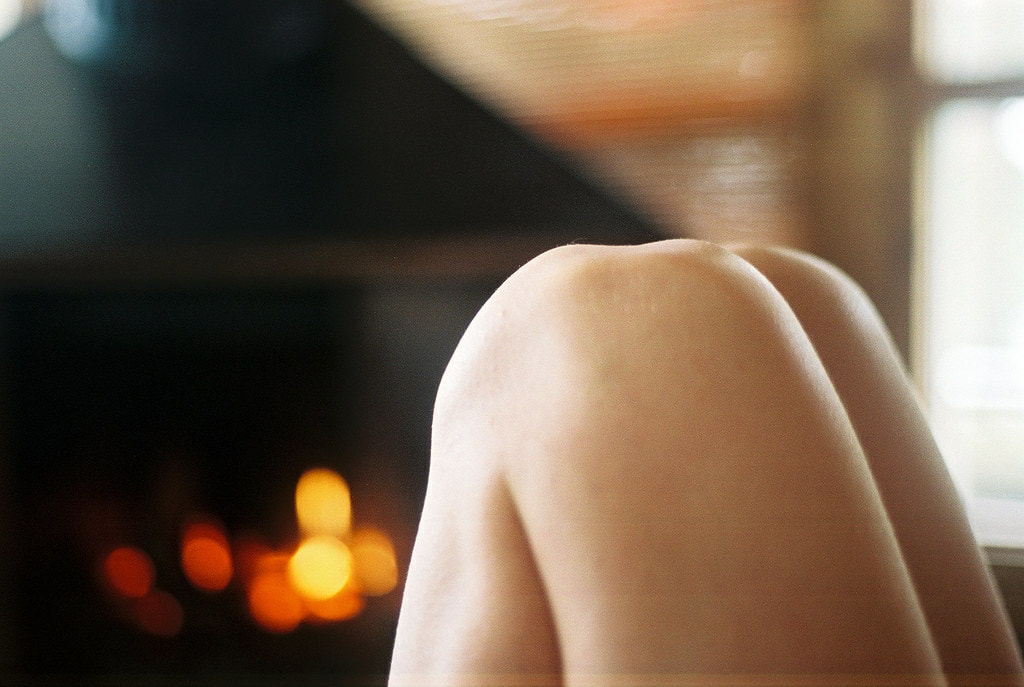
Knee pain is like the new back pain. Many people experience it in different ways. And let’s be honest, knee pain SUCKS because it affects our ability to walk, take the stairs, and run... making it a nightmare to get from place to place. One type of knee pain I see clinically on a day to day basis is Patellofemoral Pain Syndrome (PFPS). Basically this means pain at the front of the knee (over, around, or under the kneecap). ​
It’s the type of diffuse knee pain that you get when you squat down after a long day or get up from your chair. In general, 1 in 5 people have had this pain in the last year. It’s most common in adolescent females, athletes, and the elderly. Typically, PFPS is seen as an overuse injury.

There are a few main causes for PFPS. Understanding why this happens can get you one step closer to fixing it.

The Knee.

The knee joint is crucial because it’s sandwiched between our center of mass, our pelvis, to our base of support, our feet. Every time we take a step, the knee joint and the structures around it absorb quite a bit of shock. They basically help cancel out the pressure from our weight on the ground and the ground reacting and pressing back up. This is what makes us stand on our feet without sinking into the ground! Physics is cool.

When we are not moving about in good alignment, this shock absorption is disrupted. This is true for almost any chronic nagging pain that increases when you move. Picture a bendy straw in your mind. The point at which the straw bends is the knee joint and it primarily bends back and forth in two directions. There’s little movement from side to side or in circles. If we continue to bend this straw in directions that it is not meant to be bent in, eventually, it will be worn down or even snap. While our knees themselves don’t necessarily “snap,” many people can end up with PFPS because of bad movement patterns. This chronic “wear and tear” of the knee’s soft tissue structures means that there is less cushion to absorb the shock of our ambulant lifestyle as humans. As a result, we end up having to absorb the shock with our bones... causing damage that studies show may lead to knee osteoarthritis.

I know all of this might sound like a scary downward spiral, but whether we have poor alignment or not, the sheer fact that we walk upright against the forces of gravity means that we are going to cause some wear and tear overtime to our joints anyway as a natural process of aging. Even the best engineered cars and machines need oil changes and repairs overtime when you keep burning the rubber.

The important thing to note is that whether you’ve got PFPS from an overuse sports injury or an arthritic knee from old age, we can all do something to help!

What Do I Do?

So let’s get down to the bottom of things. What causes this repetitive movement in poor alignment? Lack of strength in the core, hips, and knees is a huge factor. Studies show that exercise therapy with a combination of hip and knee exercises reduces pain and improves function, both in the short term and long term.

It’s very important to start exercising these muscles in a NON-weight bearing way, meaning without your feet bearing your full body weight. Why? Because it’s very likely that you will continue to compensate with the muscles that are already overused and causing your alignment issues. We need to first strengthen the appropriate muscles in isolation and THEN integrate them into functional movements like step ups, squats, and lunges.

Sidelying hip abduction is one great exercise to begin isolating and strengthening the glute max (back booty) and glute med (side booty). Lay on your side with your bottom arm supporting your head. Stack your hips on top of each other. Bend the bottom leg and straighten the top leg. Keep the knee joint of the top leg slightly behind your hip joint and turned out so that your knee is pointing more to the ceiling than to the ground. Then lift the top leg straight up and down in a controlled way for 2 sets of 15 or whatever feels comfortable initially. Gradually increase to 3 sets of 20.

The other important factor to consider is your Iliotibial Band (ITB) which runs along the side of your thigh to your knee joint. When it is tight, it pulls the knee cap out to the side which can cause poor alignment and pain. To loosen this bad boy, use a rolling pin or a foam roller to the side of your thigh and roll out your ITB. Make sure to avoid rolling right overtop the hip and knee joints themselves.

Last Thoughts.

Don’t let your knee pain get out of control! Stretching and strengthening the muscles around the knees and hips does wonders for the pain. While it’s best to see a licensed physical therapist to get an exercise program suitable for you, you can still start working on getting yourself into alignment with a few easy tricks.

Next up… let’s learn a few things about our toes!

References:
  1. Crossley KM, van Middelkoop M, Callaghan MJ, Collins NJ, Rathleff MS, Barton CJ. 2016 Patellofemoral pain consensus statement from the 4th International Patellofemoral Pain Research Retreat, Manchester. Part 2: recommended physical interventions (exercise, taping, bracing, foot orthoses and combined interventions). British Journal of Sports Medicine. 2016; 50:844-852.
  2. Glaviano NR, Kew M, Hart JM, Saliba S. DEMOGRAPHIC AND EPIDEMIOLOGICAL TRENDS IN PATELLOFEMORAL PAIN. International Journal of Sports Physical Therapy. 2015; 10(3):281–290.
  3. Smith BE, Selfe J, Thacker D, Hendrick P, Bateman M, Moffatt F, Rathleffe MS, Smith TO, Logan P. Incidence and prevalence of patellofemoral pain: A systematic review and meta-analysis. PLOS ONE. 2018; 13(1):e0190892.

Comments are closed.

    Dr. Gazi

    Welcome! Learn something of value, solve some of your problems, and feel a whole lot better with Sneha Physical Therapy's blog!

    Categories

    All
    Orthopedic
    Pelvic
    Wellness

    RSS Feed

Contact Us
Phone: 203.493.1871
Email: [email protected]
Office: 280 Madison Ave, New York, NY 10016
In-Home Servicing: Manhattan, Queens, Bronx, Brooklyn, Jersey City, Hoboken, Jersey Heights
​Telehealth Servicing: New York, New Jersey, Maryland

Sneha Physical Therapy
​Copyright 2025 . All Rights Reserved .
Photos from planetc1, oskarlin, ThoroughlyReviewed, Keith Allison
  • Home
  • Services
    • Pre & Postnatal
    • Pelvic Health
    • Temporomandibular Joint
    • Pediatrics
    • General Orthopedics
    • Performing Arts
    • Yoga & Meditation
  • About
  • Blog
  • Podcast
  • Education
  • FAQ
  • Contact
  • Book Your Free Consultation